

Losing a loved one is an incredibly challenging experience, and navigating the immediate aftermath can feel overwhelming, especially when legal and administrative responsibilities arise. In North Carolina, there are crucial steps that often need attention within the first 30 days following a passing. Understanding these initial requirements can provide a roadmap during a difficult time, helping to ease the burden of grief with practical guidance. Weaver, Bennet & Bland, P. A. stands ready to assist families through these sensitive and complex processes with decades of legal expertise and community commitment.
Immediate Practical Steps and Documentation
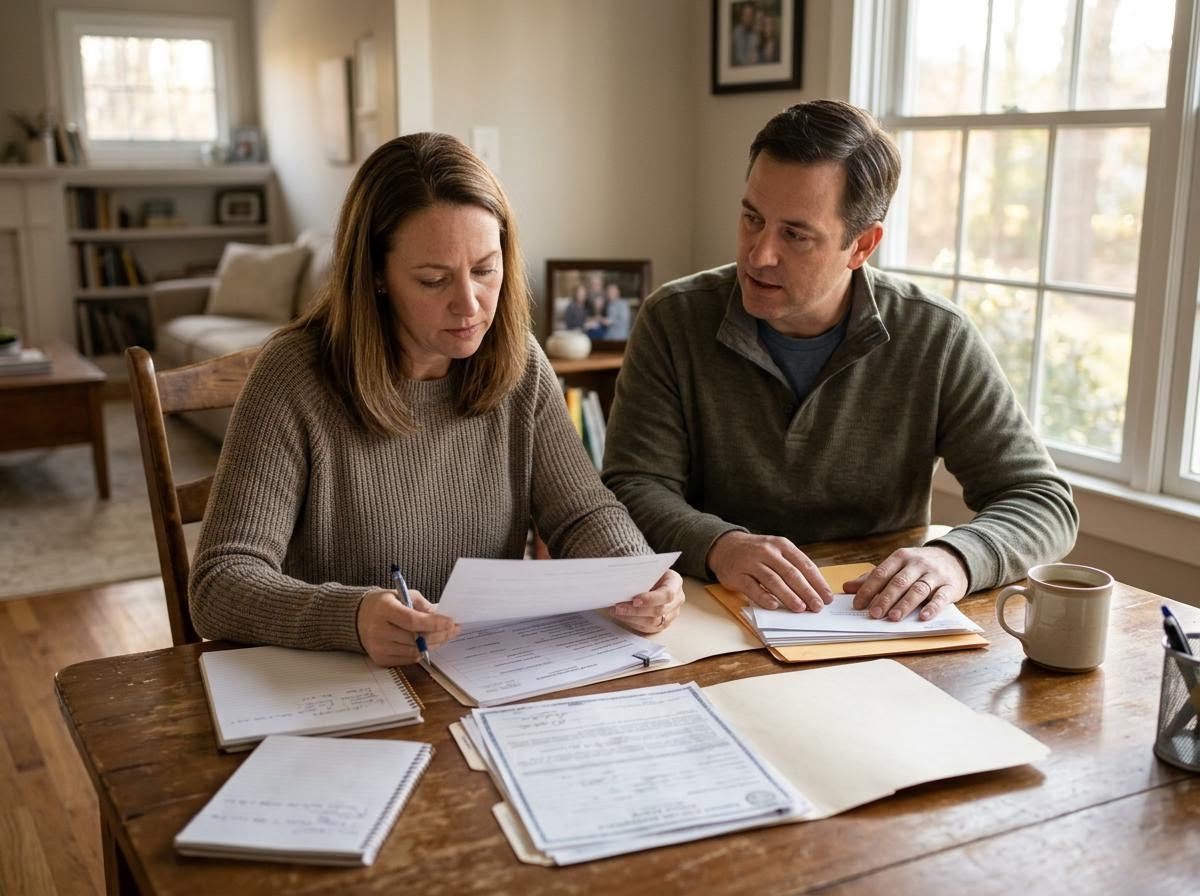
The first days after a loved one's passing often involve a myriad of immediate needs, both emotional and practical. It is essential to focus on securing necessary documentation. Obtaining several certified copies of the death certificate is paramount, as these will be required for various administrative tasks, including banking, insurance claims, and transferring property. Simultaneously, efforts should be made to secure the deceased's residence, vehicles, and other tangible assets to prevent loss or damage. This period also involves notifying close family, friends, and employers, while beginning to gather important personal and financial documents such as wills, insurance policies, bank statements, and deeds.

Identifying the Estate and its Legal Representative
Within the first month, a critical step is to determine if the deceased had a Last Will and Testament. If a will exists, it typically names an executor responsible for overseeing the estate administration services. The executor's role is to ensure the deceased's wishes are honored and that assets are distributed according to the will. If no will is found, the estate will be subject to North Carolina's intestacy laws, which dictate how assets are divided among surviving heirs. In either scenario, understanding the legal framework and responsibilities can be complex, often necessitating the guidance of an experienced estate planning lawyer to interpret documents, establish legal standing, and plan the next steps effectively.

Initiating the Probate Process and Legal Considerations
Once a will is located or the absence of one is confirmed, the formal legal process of probate usually begins. In North Carolina, this involves filing the will (if applicable) and other necessary paperwork with the Clerk of Superior Court in the county where the deceased resided. The court will officially appoint an executor or an administrator to manage the estate. This initial phase involves tasks such as notifying creditors, inventorying assets, and managing debts. While many estates proceed smoothly, sometimes disputes can arise among beneficiaries or creditors, potentially leading to civil litigation. Engaging a knowledgeable estate law firm from the outset can help navigate these judicial procedures, mitigate potential conflicts, and ensure compliance with all legal requirements.
CONTACT US TODAY
Navigating the period immediately following a loved one's passing requires a delicate balance of emotional processing and practical action. Understanding the essential steps, from securing documents to initiating the probate process, is vital for ensuring the deceased's affairs are handled properly. At Weaver, Bennet & Bland, P. A., our dedicated team combines deep legal knowledge with a compassionate approach, offering comprehensive support for estate administration services and all aspects of an estate. Whether you need an estate planning lawyer, assistance with probate, or guidance from a civil law firm, our goal is to provide clarity and peace of mind during difficult times. To learn more about navigating estate matters in North Carolina or to discuss your specific needs, we invite you to contact our experienced team for a consultation.