

Property ownership often comes with various rights and responsibilities, but it can also involve unique legal considerations such as utility easements. These easements grant specific parties the right to use a portion of your land for a particular purpose, often for essential services like power or gas lines. Understanding whether a utility company can compel the use of your property, potentially through eminent domain, is crucial for any landowner. At Weaver, Bennet & Bland, P. A., we recognize the complexities involved in property law and aim to provide clarity on these important distinctions.
Understanding Utility Easements
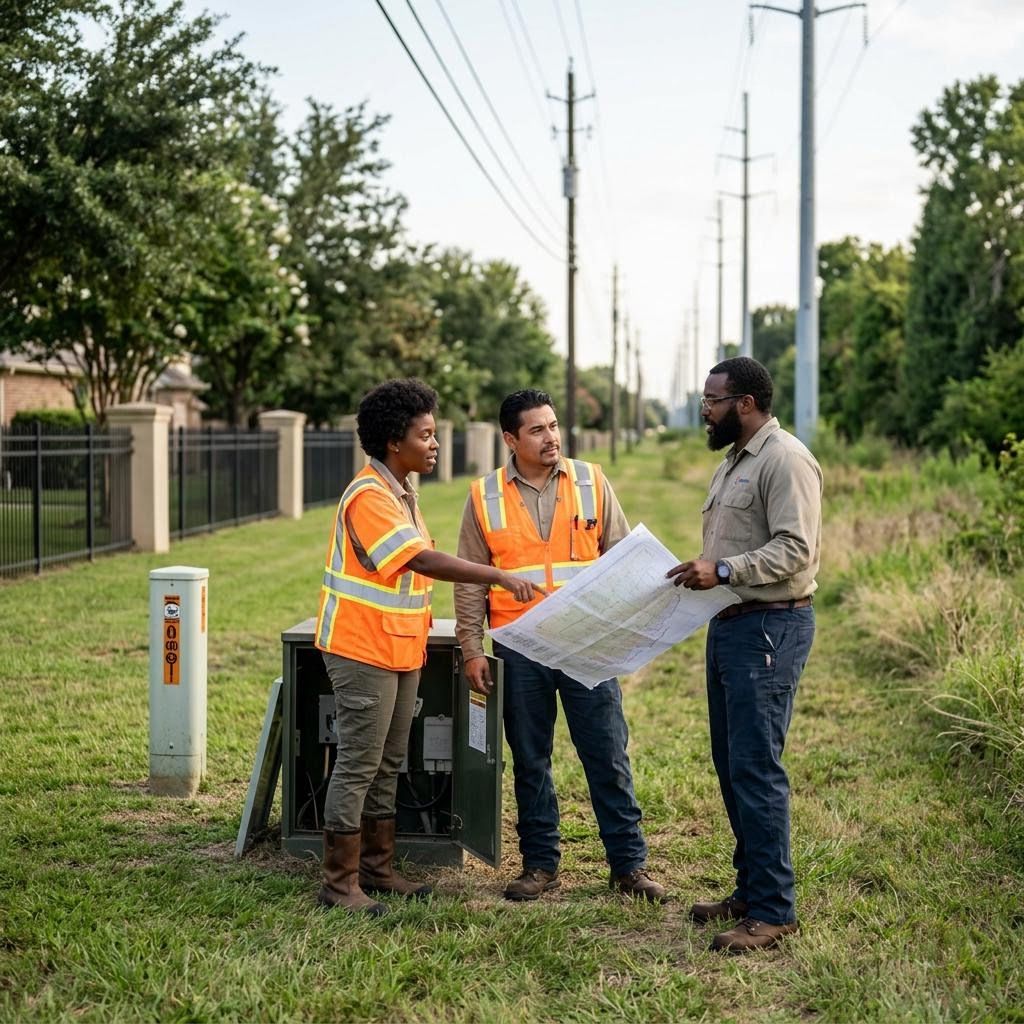
A utility easement is a legal right granted to a utility company to use a specific part of a private property for the installation, maintenance, or repair of utility infrastructure. This could include underground pipes for water or gas, or overhead power lines. While an easement grants use, it does not transfer ownership of the land. Property owners retain title to the land, but their use of the easement area may be restricted to ensure the utility company's access and functionality. Easements are typically established through written agreements between the landowner and the utility company, often in exchange for compensation.

Eminent Domain and Public Utilities
Eminent domain is the power of the government, or sometimes a private company operating for public use, to take private property for public use, even if the owner does not wish to sell. This power is guaranteed by the Fifth Amendment of the U.S. Constitution, which requires "just compensation" for the property taken. Utility companies, acting on behalf of the public good by providing essential services, are often granted the authority to exercise eminent domain. This means they can, under certain circumstances, legally acquire an easement on your property if negotiations fail, provided they follow proper legal procedures and offer fair market value for the rights they seek.
Protecting Your Land Rights When Faced with an Easement Request
When a utility company approaches you regarding an easement on your property, it is essential to understand your rights. Do not feel pressured to sign any documents immediately. You have the right to negotiate the terms of the easement, including the location, scope of use, and the compensation offered. The initial offer from a utility company may not always reflect the full value of the easement or the potential impact on your property. Factors such as loss of usable land, diminished property value, and disruption during construction should all be considered in the compensation. Thorough evaluation of these aspects is key to protecting your interests.

The Importance of Professional Legal Counsel
Navigating a utility easement request or an eminent domain claim can be a complex and daunting process for property owners. Utility companies have significant resources and legal teams dedicated to securing their interests. Having knowledgeable legal representation can help level the playing field. An experienced attorney can review the proposed easement agreement, assess the adequacy of the compensation offered, and negotiate on your behalf. Should an agreement not be reached, legal counsel can also represent your interests in eminent domain proceedings, ensuring your rights are fully protected and you receive just compensation for your property.
CONTACT US TODAY
Understanding utility easements and the potential for eminent domain is vital for any property owner. These situations involve intricate legal principles that can significantly impact your land rights and financial interests. Whether you are reviewing an easement proposal or facing an eminent domain claim, securing informed legal guidance is paramount. Weaver, Bennet & Bland, P. A. has extensive experience assisting individuals with their property concerns and land rights, and we encourage you to contact us to discuss your specific eminent domain claims or if you require a land rights attorney in Matthews, NC.